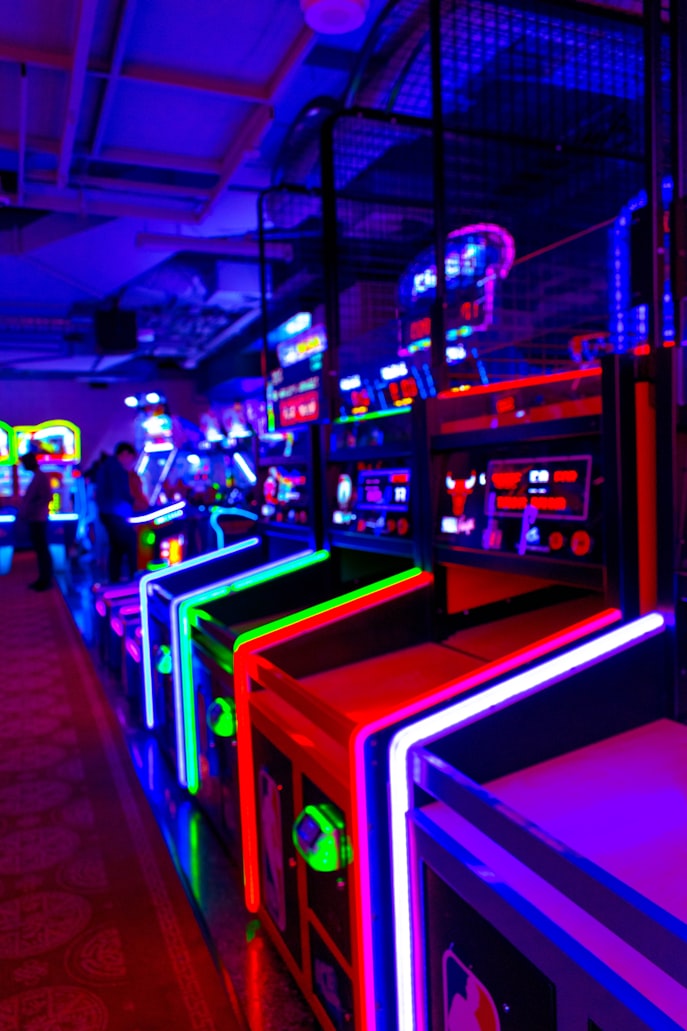
The allure of casino games
The psychology behind casino game choices is deeply rooted in the thrill and excitement that these environments offer. Casinos are designed to be immersive spaces that engage the senses, featuring bright lights, enticing sounds, and vibrant colors that captivate players. This sensory stimulation plays a crucial role in attracting individuals to various games, often leading them to make choices based more on emotional responses than logical reasoning. In this context, exploring options like australian casinos online real money can be intriguing for those seeking similar experiences online.

Moreover, the concept of near-misses is a powerful psychological phenomenon in gambling. Players often feel a rush of excitement when they come close to winning, which reinforces their decision to continue playing. This emotional engagement can lead to repetitive behavior, as players seek to recreate that exhilarating experience, regardless of the actual odds of winning.
The role of cognitive biases
Cognitive biases also significantly influence how players make their game selections within a casino. One prevalent bias is the illusion of control, where individuals believe they have more control over the outcome of their game than they truly do. This perception can lead to a preference for games that seem skill-based, such as poker or blackjack, despite the inherent randomness involved in gambling.
Similarly, the availability heuristic affects players by making them more likely to choose games that they’ve heard about or seen others win on. For instance, if a player witnesses someone winning on a slot machine, they may feel compelled to try their luck on the same game, thinking it might bring them fortune as well. Understanding these biases can help explain the unpredictable behavior of gamblers in casinos.
Social influences in gaming choices
Another important factor in game selection is social influence. Many people choose to gamble in groups, and this social aspect can heavily impact which games they decide to play. Peer pressure or the desire to fit in can result in individuals opting for popular games like roulette or craps, even if they might personally prefer something quieter or less intense.
Furthermore, the social environment of a casino encourages camaraderie and shared experiences that enhance the overall enjoyment of gaming. This collective dynamic can lead to a stronger engagement with certain games, as players feed off each other’s energy and excitement, ultimately shaping their preferences.
The impact of marketing and game design
Marketing strategies and game design also play a significant role in shaping players’ choices. Casinos invest heavily in creating attractive promotions, bonuses, and loyalty programs that entice players to try specific games. The targeted approach to marketing can manipulate perceptions and draw in customers with appealing offers that are hard to resist.
Additionally, the design of the games themselves is crafted to maximize engagement. Features like progressive jackpots, vibrant graphics, and interactive elements keep players entertained for longer periods. This careful orchestration of marketing and game design is crucial for driving choice and ensuring that players remain captivated by the casino experience.

Explore your learning potential with New Horizons
While understanding the psychology behind casino game choices is fascinating, it also serves as a reminder of the importance of informed decision-making in every aspect of life, including professional development. New Horizons Learning Centres offers a wide variety of courses that can empower individuals to enhance their skills and make better choices in their careers.
By providing tailored training solutions, New Horizons helps learners gain the knowledge and confidence needed to pursue their goals effectively. Whether you’re looking to advance in technology, project management, or graphic design, engaging with expert instructors can lead to personal and professional growth, similar to the way players can benefit from understanding their choices in gaming environments.